Thrive Columbus
Sales Logistics · Columbus, Ohio
Your Product
Keeps Moving.
Thrive Columbus is the sales logistics arm for small brands. Your product leaves the warehouse — our teams handle everything after that: the routes, the buyers, the shelf, the reorders, the reporting.
The Gap
Getting It Made Is the Easy Part.
Small brands solve production. They solve packaging. They often solve storage. Then the hard part starts: getting the product in front of buyers and customers, stop after stop, week after week, across a market the size of Columbus.
Hiring a full sales team for that is expensive. Waiting for a distributor to care about a small line is slow. And nobody on a three-person brand has time to build routes, work retail relationships, and chase reorders at the same time.
Thrive Columbus fills that gap. We are the sales and logistics layer outside your warehouse — trained teams who work the market on a schedule, move product through real accounts, and report back what actually happened at every stop.
- 01Coverage
- Scheduled stops, not hopeful outreach.
- 02Movement
- Product leaving shelves, not sitting on them.
- 03Visibility
- Stop-level reporting you can act on.

Outside the Warehouse
We Handle the Heavy Lifting.
Placement conversations, route coverage, reorder follow-up, in-store presence, and the paperwork trail behind all of it. You keep building the product. We keep it moving through the Columbus market.
See what we take off your plateThe Thrive Playbook
Run it like a route. Sell it like a team.
Six stages that run in sequence and repeat every week. It is the same sequence whether we're opening new accounts for a small Columbus brand or holding down coverage for a national program.
The notes on each stage come from live work in this market — including our ongoing logistics-sales program with Charter Spectrum across Central Ohio.
Hover the playbook to pause on a stage and read it.

Prepare
Before a single case leaves the dock, we learn the product the way an operations team learns a pick list. Specs, pack sizes, margins, lead times, territory, and the accounts worth calling first. Every campaign opens with a briefing, a product certification, and a route plan.
Product certification · territory mapping · route planning
“Our team can talk pack counts, delivery windows, and shelf placement in the same conversation. That's what buyers actually ask about.”
Show Up
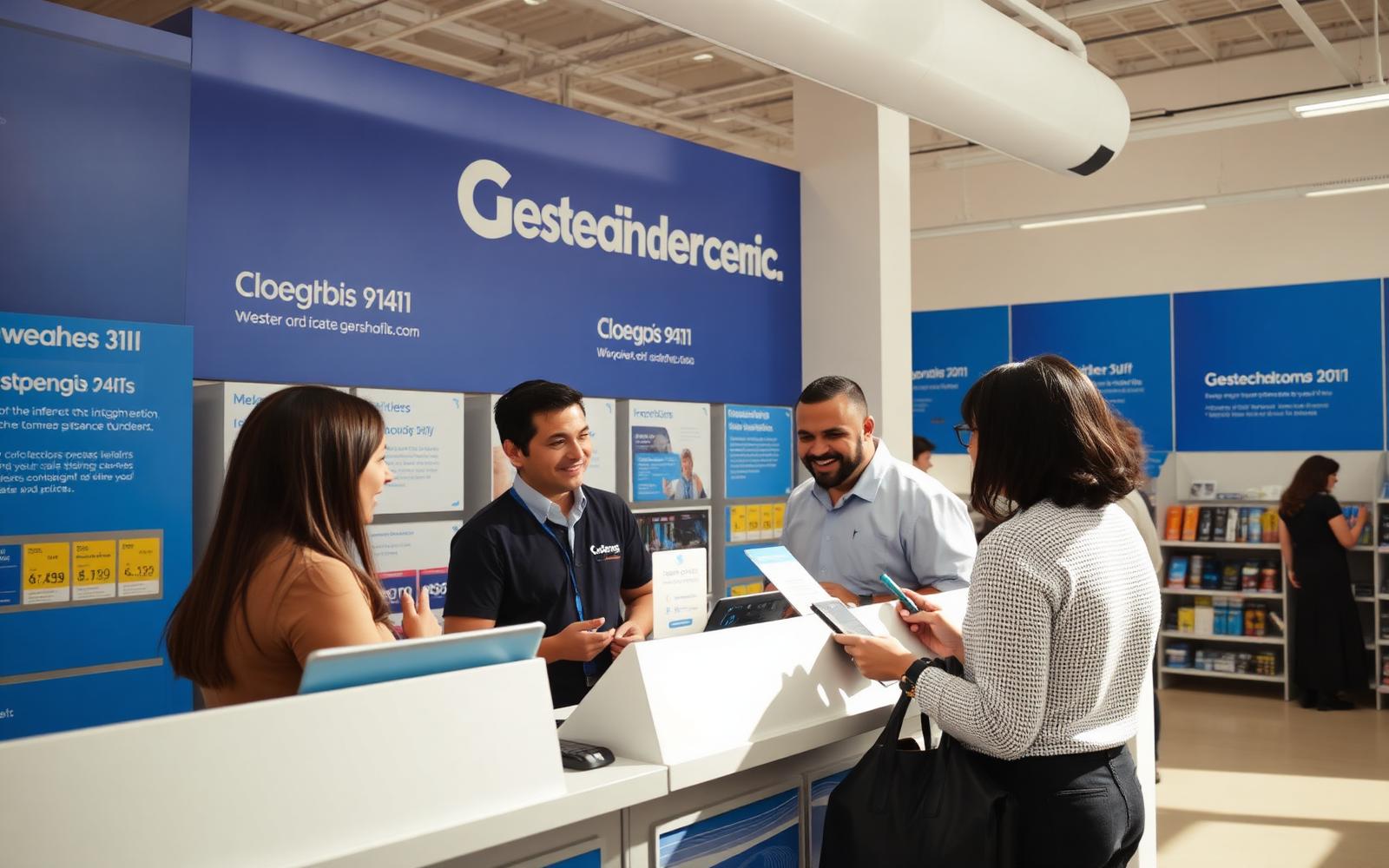
We put trained sales teams in front of the buyers, store managers, and customers who decide whether your product moves. Coverage is scheduled like a delivery route: the right stops, in the right order, at the hours the decision-makers are actually on the floor.
Route-based coverage · retail stops · buyer meetings
“We run Franklin County like a route sheet. Every location gets a scheduled visit, not a hopeful phone call.”
Connect
No scripts read at people. Our reps ask what a store is already carrying, what keeps selling out, what sits, and where the gaps are — then explain how your product fits the shelf and the schedule. A clear no still protects the brand.
Needs-based selling · shelf fit · honest answers
“Most of these conversations start with a supply problem. Solve that and the order takes care of itself.”

Read
Every stop produces information: what reordered, what stalled, which locations moved volume, which objections repeated, what a competitor put next to you. We log it the same day, by stop and by hour, so patterns show up in days instead of quarters.
Stop-level reporting · reorder tracking · daily debrief
“We can tell a brand which Columbus zip codes reorder and which ones only bought once — because we were standing there both times.”

Respond
Then we change what isn't working. Different route order, different stops, different hours, different emphasis in the pitch, different pack configuration to recommend. Adjustments happen inside the week they were spotted, and you see what changed and why.
Weekly route changes · coverage shifts · reporting with rationale
“When a location stopped reordering, we moved the visit to the morning receiving window and led with fill rate. Volume came back the next week.”
Build
Consistency compounds. Familiar reps at the same stops, accounts that grow their order size, and team members who move from running a route to running a territory. That's how a campaign becomes a standing sales channel instead of a one-time push.
Repeat coverage · account growth · promoted-from-within leadership
“Charter Spectrum has stayed with us because the coverage is repeatable — not because of one good month.”
A pallet in storage is not a business. Product only becomes revenue when somebody carries it into the market, stop after stop, and keeps showing up.
Brands We Move
Built for small and growing brands that have product ready and no sales force to move it — with the capacity to hold steady coverage for larger programs at the same time.
Beyond the Warehouse
The best sales teams we've built came off the dock.
If you've worked a warehouse, you already understand the part most salespeople never learn: how product actually moves. Pick accuracy. Pack sizes. Receiving windows. Fill rates. What happens when a load is short.
That knowledge is worth money on the sales side of the building. Buyers trust the person who can answer a supply question without checking with someone else.
So we hire warehouse associates who want more than a shift — and train them to represent brands in teams: product knowledge, the logistics story behind it, and how to hold a real conversation with a buyer.
Same industry. Same knowledge. A much bigger skill set.


The Season — Editorial
Logistics thinking, Columbus energy.
- 01MARKETThe Last Mile Nobody Plans For: Getting a Small Brand Onto the ShelfMost small brands budget for production and storage, then discover the expensive part is everything that happens between the dock and the customer.6 min
- 02WORKWhy We Hire Warehouse Associates for Sales RolesThe person who knows what a short load does to a store's week can answer the question a buyer actually has. That knowledge is hard to teach and easy to hire.6 min
- 03CUSTOMERSWhat a Buyer Actually Asks (And Why Most Pitches Miss It)Store managers rarely ask what makes a product special. They ask whether it will show up, sell through, and stop being their problem.5 min
Tell Us What You Need Moved.
Send the product, the target accounts, and the volume you want to hit. We'll come back with how a Columbus route would actually run — stops, cadence, team, and reporting.